
Insect Center

Research

The INSECt Center aims to revolutionize global agrifood systems through a multifaceted approach, fostering a paradigm shift towards a bioeconomy that develops novel products and promotes sustainable practices while unlocking financial benefits and enhancing long-term profitability across the agrifood industry.

This initiative emphasizes transdisciplinary training and early career development, extending its educational reach to communities and policymakers. By partnering with industries across sectors, INSECt seeks to educate future leaders and advance sustainable practices with lasting impacts on global agrifood systems and climate change.

The Center’s work aligns with nine of the United Nations Sustainable Development Goals (SDGs), addressing global issues such as hunger, water usage, urban development, waste reduction, and climate change.

INSECt: INsects for a Sustainable Environment and Circular Bioecomies

Human-Insect Nexus
  • Biodiversity
  • Entoanthropocene
  • Socio-historical systems
Sustainable Bioeconomy
  • Agriculture
  • Bioactive compounds
  • Novel insects
Global Resilience
  • Waste upcycling
  • Plant health
  • Nutrient cycling
One Health
  • Safe
  • Nutritious
  • Integrated

Transdisciplinary research and collaboration: Bringing together diverse disciplines to address the challenges and opportunities of insect-based bioeconomies.

Socio-historical frameworks: Studying the cultural, social, and historical contexts in which insect bioeconomies are nested, and amplifying knowledge to the public.

Economic modeling: Quantifying the financial impacts of using insects in agriculture, including productivity, reduced inputs, and carbon benefits.

Global engagement: Hosting conferences, workshops, and exchanges to build international collaboration and share best practices.

Discovery of insect-derived antimicrobial peptides and anti-virulence compounds: Screening insects for new compounds to combat antibiotic resistance and develop effective pharmaceutical treatments.

Genomic diversity for bioeconomies: Exploring genetic diversity in farmed and wild insects to understand and optimize their biological processes for commercial and environmental applications.

Breaking down cellulose: Mining insects and their symbiotic microbes for enzymes that can efficiently digest cellulose, a major component of plant and animal waste, to recycle nutrients and support sustainable agriculture.

Bioremediation: Harnessing insects’ abilities to degrade environmental contaminants (e.g., plastics, heavy metals, pesticides) and studying how these contaminants move through insect-based systems.

Resource circularity modeling: Developing models and dashboards to compare resource cycles (water, energy, carbon, nutrients) in insect-based bioeconomies versus traditional systems, informing policy and practice.

Reclaiming nutrient-deprived soils: Using insect frass to restore poor soils and enable the mass production of human-grade food, closing nutrient loops and supporting food security.

Incorporating animal and insect welfare into life cycle assessments and cost analyses: Developing transparent methods to represent the value of animal welfare in production systems, including both insects and vertebrates.

Welfare indicators for farmed insects: Developing physiological and behavioral welfare indicators for major farmed insect species, enabling real-time welfare assessment in production settings.

Diet optimization for food and feed insects: Establishing optimal nutrient combinations to improve growth, health, and fitness in farmed insects, with implications for aquaculture and animal feed.

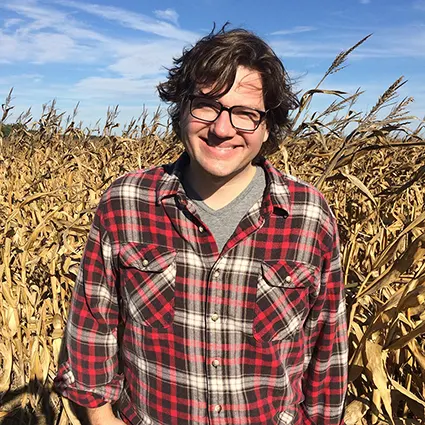
Heather R. Jordan, Ph.D. (Co-PI)
Professor of Microbiology, Mississippi State University

Dr. Jordan investigates the microbiology and molecular ecology of bacteria - with a strong focus on how microbes interact with insects and environments. Among her lab’s recent efforts: analyzing the gut microbiome of the Black Soldier Fly (BSF) larvae and other insects to identify microbial communities that improve substrate conversion and larval growth - a step toward optimizing insect-based feed and reducing agricultural waste. Dr. Jordan co-directs the Center for Insect Biomanufacturing and Innovation (CIBI), an NSF IUCRC.

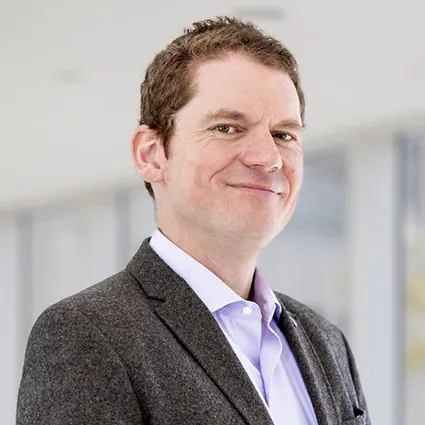
David Zilberman, Ph.D.
Professor; Robinson Chair in the Department of Agricultural & Resource Economics

Dr. Zilberman’s research analyzes water, innovation, supply chain, agriculture, energy, and the environment. He has studied the adoption of irrigation technology and water markets in California, the economics of pesticide regulation, the political economy of agricultural biotechnology, the design and potential of the bioeconomy, the economics of biofuels and alternative crops, and the economic impact of the COVID-19 pandemic. Dr. Zilberman is the 2019 Wolf Prize in Agriculture recipient and elected to the National Academy of Sciences in 2019.

INSECt is supported by the National Science Foundation grant OISE-2435282. Any opinions, findings, and conclusions or recommendations expressed in this material are those of the author(s) and do not necessarily reflect the views of the National Science Foundation.